 |
Home | submt | login |
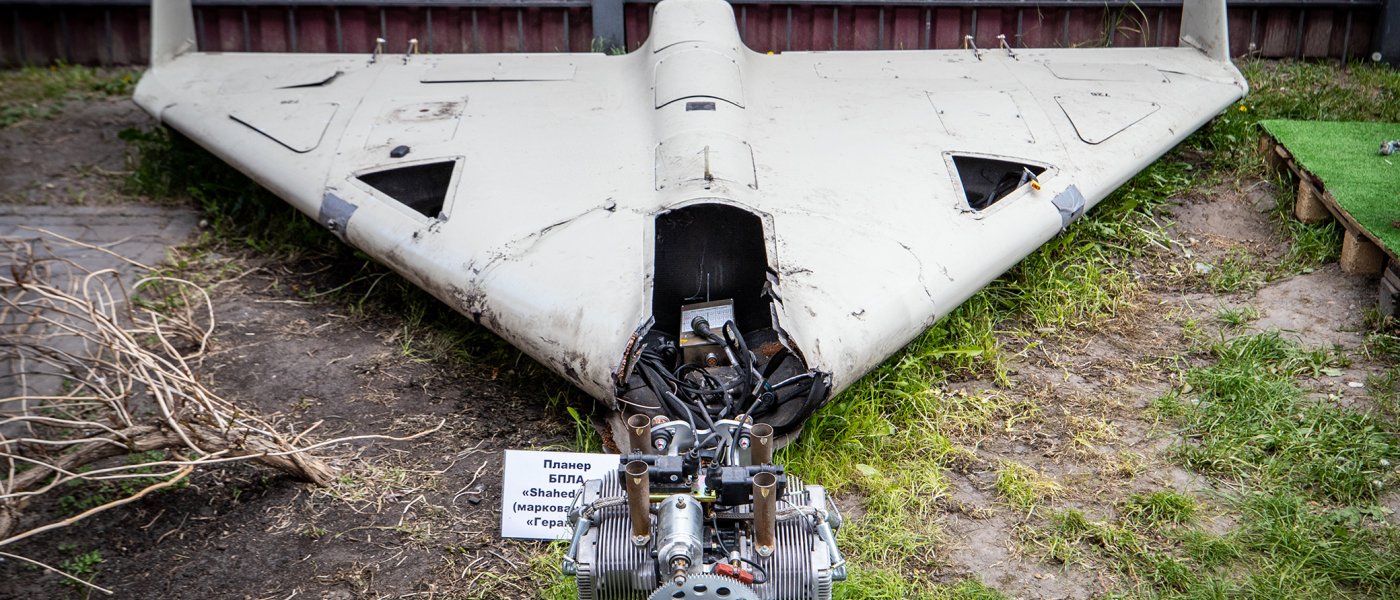
Russia is supplying Iran with Shahed drones, Zelenskiy says (reuters.com)
How would they be delivering these? Could they fly them in? How hard would it be to ship them in or transport them by land?
Answer Count: 3
| 3 | fart_smith 119d ago | |||
| Ali Shamkhani died in the first day of the bombings but his son is still alive. Shamkhani and his son had a sophisticficated smuggling operations that depended on a "shadow fleet" oil tankers but is there anything left of there network now?
Video from 10 days ago from Bloomberg: "How a Shadow Oil Empire Helps Iran’s Regime Cling to Power" https://www.youtube.com/watch?v=NylwnKcwAr4
|
||||
| reply | ||||
| 2 | c34020582d 119d ago | |||
| Smuggling into and out of Iran in 2026 primarily occurs through maritime routes in the
Persian Gulf and Caspian Sea, and overland through various bordering countries, including a covert corridor via Bolivia. The ongoing conflict in the Middle East has heavily disrupted traditional shipping lanes, pushing illicit activity to new avenues.
Maritime Routes
Persian Gulf/Strait of Hormuz/Gulf of Oman: This remains the primary, albeit highly contested, maritime area for smuggling of oil and other goods. Due to the military conflict and sanctions, a "shadow fleet" of tankers, often using flags of convenience (Panama, Barbados, Comoros) and turning off their AIS tracking signals, is used to move illicit cargo. The Iranian regime has been using civilian ports for military operations, further complicating legal shipping.
Caspian Sea: A "back door" northern route has emerged, with non-transmitting Russian tankers detected near Iranian ports in the Caspian Sea, possibly to bypass the blocked southern maritime chokepoints and evade sanctions.
Turning off Automatic Identification System (AIS) transponders to become "dark vessels" and conceal their location and movement |
||||
| reply | ||||
| 1 | emanualgoldstein1420 119d ago | |||
| Shipping would be easiest but look at all those Stans! And that big old Caspian Sea. Seems like it would be difficult to control smuggling by ground but the money Trump is burning on this maybe we could be patrolling this region but that would also increase the risks of more bad optics for this nu-popular war. But could it be done with drones and ...
|
||||
| reply | ||||
